
Growing on Country: Why Indigenous-led funds matter
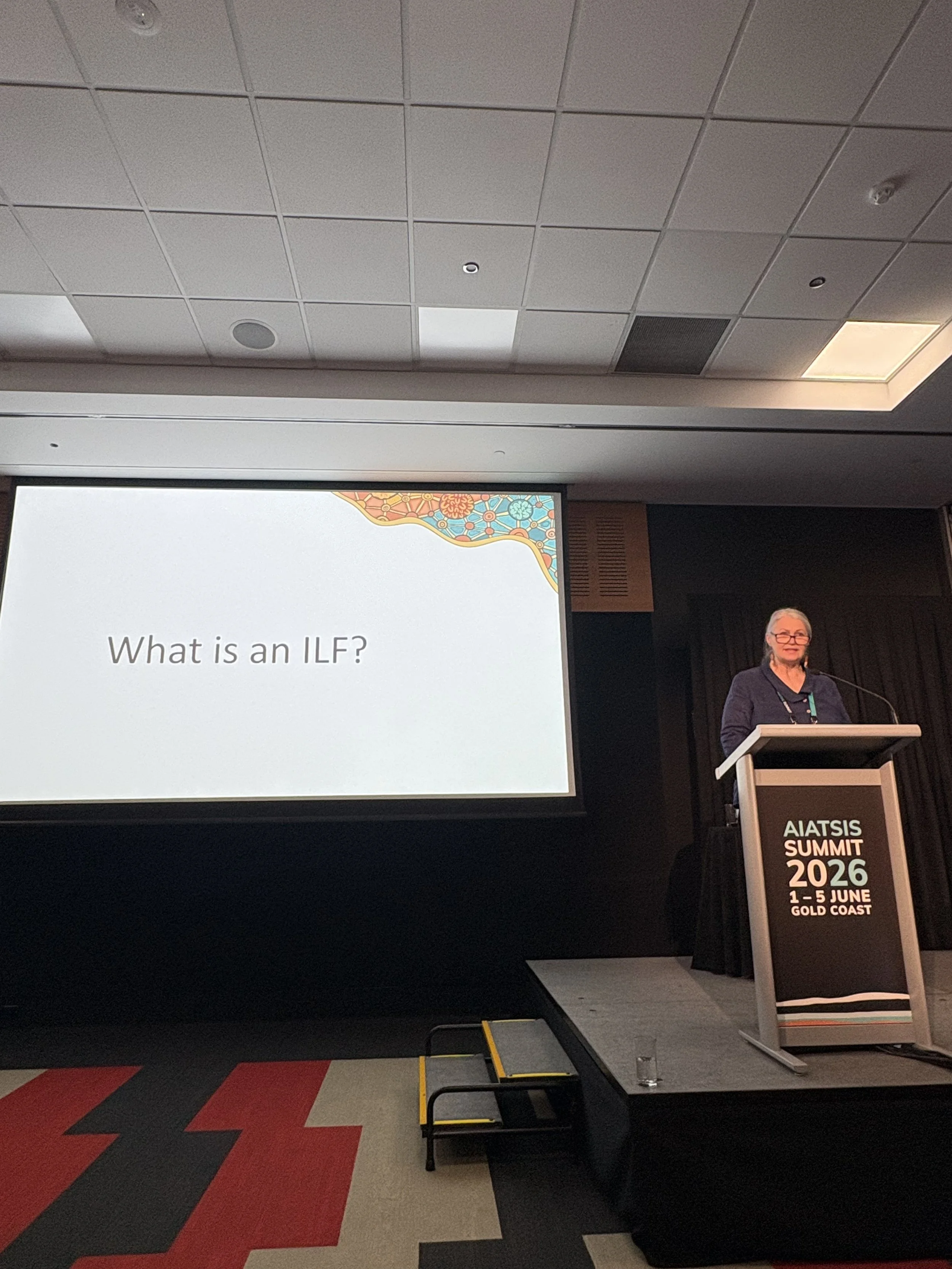
Community First Development CEO, Steph Harvey, presents at AIATSIS Summit on Yugumbeh Country (Gold Coast).
The case for Indigenous-led funds is simple: communities closest to the work should have the power to decide what is needed, where resources go and what success looks like.
Too often, funding systems ask First Nations communities to fit into models designed elsewhere. They privilege predetermined outcomes, short timeframes and reporting requirements that may satisfy institutions, but do not always reflect culture, place or lived experience.
That must change. If philanthropy is serious about supporting self-determination and lasting impact, the sector must be willing to trust Indigenous leadership and invest differently.
An Indigenous-led fund is one practical way to do that.
Why Indigenous-led funds matter
The reality is stark. Only a small proportion of philanthropic funding currently reaches First Nations-led organisations.
In Australia, The Aboriginal and Torres Strait Islander Funders Reporting Survey found that 1.5% of total philanthropic giving in 2022–23 went towards Aboriginal and Torres Strait Islander programs, with less than 1% reaching Aboriginal and Torres Strait Islander-led and controlled organisations.
Globally, the picture is similar. The International Funders for Indigenous Peoples reports that only 0.2% of philanthropic funding goes directly to Indigenous-led organisations, and just 0.6% when including all grants intended to benefit Indigenous Peoples.
These figures should prompt serious reflection on the current state of funding. The problem is not a lack of vision, capability or readiness in First Nations communities. The problem is that too much funding still moves through systems that keep decision-making power away from the people best placed to lead change.
An Indigenous-led fund shifts that power. It starts with listening, relationships, and trust. It recognises that communities already hold the knowledge, leadership and cultural authority to identify priorities and shape solutions that will work in their own place.
In 2025, Community First Development commenced an Indigenous-Led Fund Small Grant Trial grounded in relationships, trust and community decision-making. In practice, communities decide what funding is needed, how it should be used and what success looks like, guided by their own priorities, culture and leadership.
This is not a new idea imposed from outside. It reflects the way First Nations communities have always led change: guided by cultural ways and knowledge, and by responsibilities to families, community and future generations.
Communities are ready. Funding systems need to catch up.
Our experience shows the demand for flexible funding. Last year, 23% of community projects Community First Development supported, focused on diversifying income streams and building economic opportunities.
We see communities creating economic opportunities, growing local capability and building strong foundations for what comes next. Flexible funding allows communities to respond to what is needed now while strengthening long-term opportunities for future generations.