
Impact and Lessons from 2025
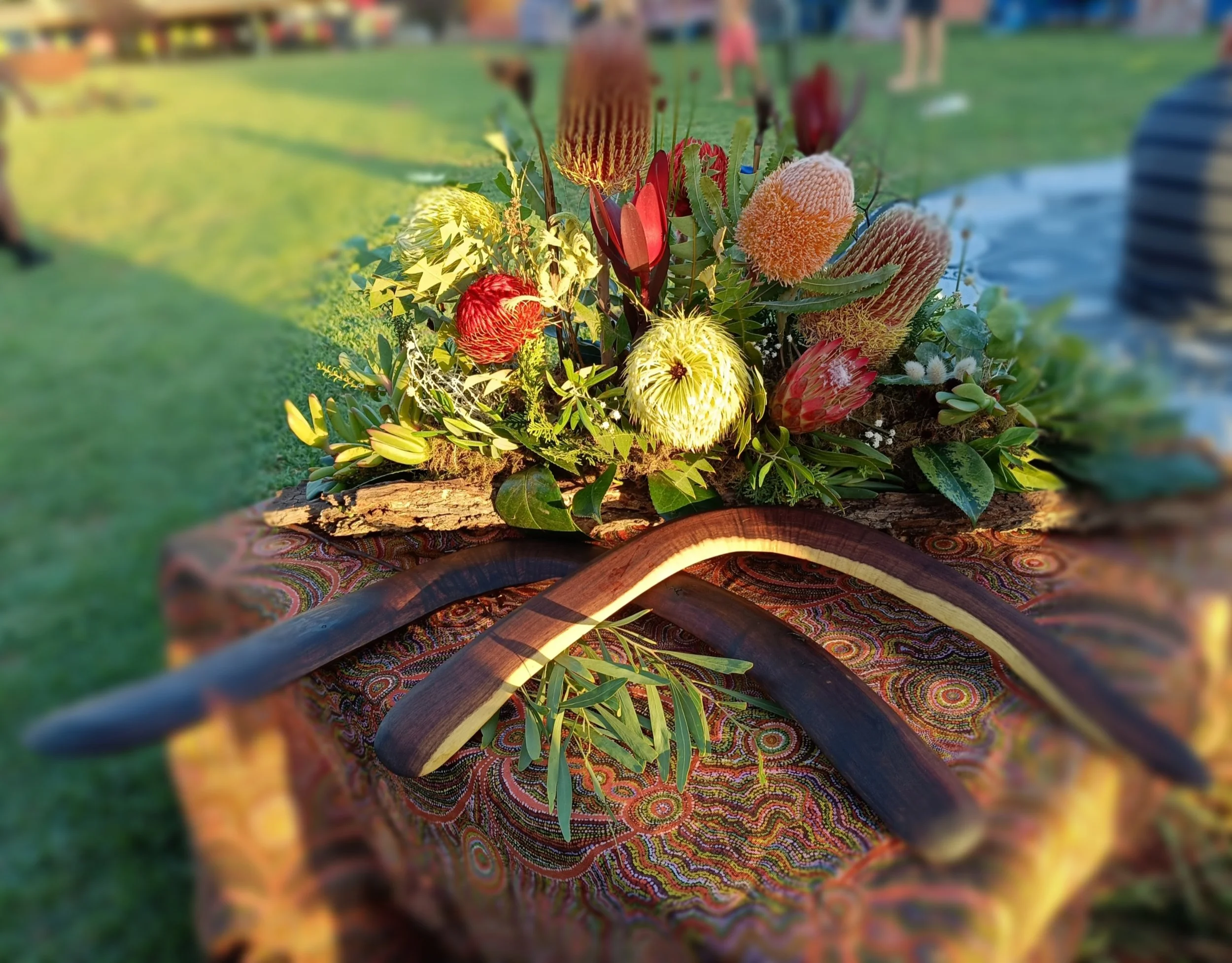
A stunning arrangement of mixed native flowers and Ngarrindjeri bush foods, crafted by Mumeruki Ruwi from Adelaide, one of our community partners this year. The boomerangs were created by Otis Elroy.
First Nations’ communities continue to show us that community-led development is rarely linear, it moves at the pace of community, connection, and trust.
Our impact
In 2025, we supported:
150
78
243
community partners
were new partners
projects
Communities requested our support in these top 5 areas:
Strategic and business planning
Diversifying resources including grant/tender proposal development and mentoring
Website development and training
Governance training, arrangements, and structure
Program development and workshops, e.g. sports, arts, and trades.
73
volunteers contributed time, knowledge and skills to support communities’ self-determined goals.
2
volunteer inductions, supporting skilled volunteers to build their knowledge and confidence to work respectfully alongside Aboriginal and Torres Strait Islander communities.
8
capacity-building sessions delivered with the Community Development team, including maintaining strong three-way relationships between communities, volunteers, and Senior Community Development Officers.
390
downloads of our Community Development Framework, showing strong interest in evidence-informed, practical guidance for working with communities.
1,090
new subscribers were welcomed to our Right Way Impact newsletter.
Lessons from the field
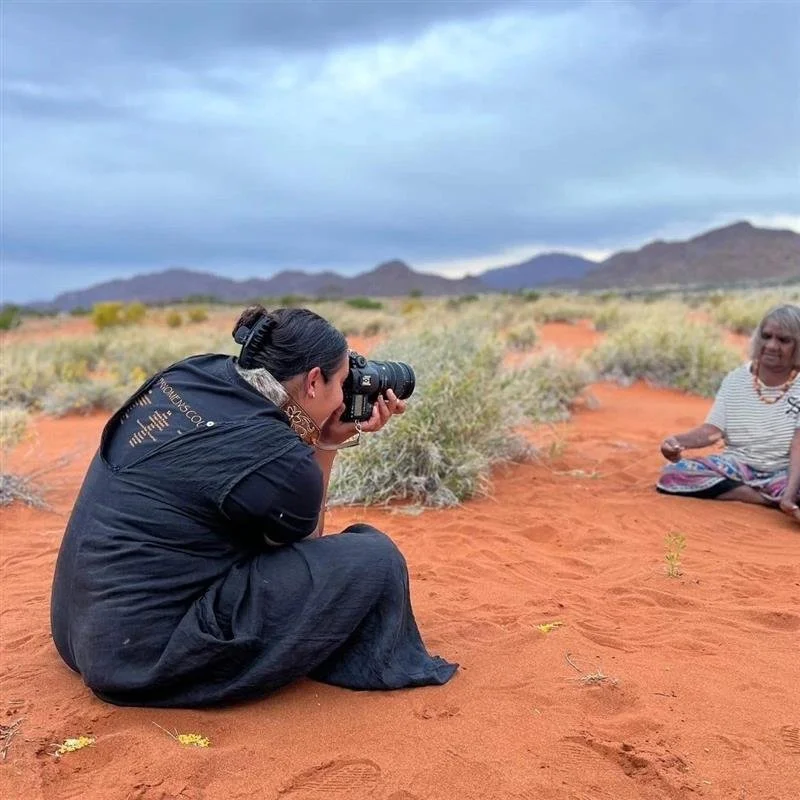
It was inspiring to watch Brooke in action this year! Through her business, Desert Darlin Photography, Brooke provides a way for First Nations’ women to share their stories on their own terms.
Three of our Senior Community Development Officers shared their learnings in 2025 and what they wish more people understood about community development in First Nations’ communities.
1. Flexibility is just as important as planning
Shared by Nikkeeta, Senior Community Development Officer
Nikkeeta says even the best preparation can’t predict everything. Her biggest learning this year was recognising that project timelines don’t dictate community readiness. What matters is how we adapt.
“Sometimes projects do not go the way we expect. Even with strong planning, clear goals, and dedicated people, things can shift. Context changes, timelines move, and unexpected challenges show up. This does not mean the work has failed. It means we are working in the real world, where people, communities, and circumstances cannot always be predicted. What matters most is how we respond.
When we pause, reflect, and adapt, we strengthen the project and ourselves. We learn what the community needs, what systems can actually hold, and what needs to change for the next stage. These moments remind us that flexibility is just as important as structure, and that genuine community-led work grows through honest reflection, not rigid plans. In the end, the value of a project is not only found in what was completed, but in the resilience, learning, and relationships built along the way.”
2. Change happens at the pace of trust
Shared by Jak, Senior Community Development Officer
This year, Jakob was reminded that trust is not a ‘step’ in the work, it is the work. When trust grows, communities lead confidently, share openly, and shape outcomes grounded in culture. And when trust is fragile, even the best-designed plans won’t work.
“This year reminded me that real change only happens at the pace of trust. Every community holds its own strengths, its own governance, and its own cultural logic, and when we slow down to listen properly, the solutions reveal themselves. I learn again that relationships are the strongest resource we have, stronger than any funding, timeline, or work plan. I also saw how important it is to make space for community-led decision-making, not just consult on it. When community takes the lead, the work becomes deeper, safer, and more sustainable.
Community development in First Nations spaces is not a ‘project’, it’s a relationship and responsibility. It’s guided by Country, kinship, history and lived experience. It must honour cultural authority, respect local protocols, and recognise that communities have the solutions already, our role is simply to support, not to direct. Too many outsiders still treat community development as a checklist or engagement activity. I wish more people understood that true First Nations community development is long-term, relational. Strengths based, and accountable to mob, not to external deadlines.”
3. Understanding the realities of remote communities
Shared by Alex, Senior Community Development Officer
This year, working across South Australia showed Alex just how different communities can be, even between neighbouring states and territories.
“It was different for me working alongside communities. I relocated and had to start building new relationships and building up a rapport in a new area.
It has been a very different experience working in South Australia as opposed to working in the Northern Territory, but I have loved every minute of getting out on community engagement and meeting new people. There are so many differences between the two states/territories.
I wish more people had a better understanding of remote communities and just how hard it can be to access these remote places. Even logistically, for the support that people can easily access in cities and regional areas, the difference for remote and rural communities may just mean they don’t have access to services that every human deserves. It’s devastating to see some remote communities go without, purely due to the location that they live.”
Whether you partnered with us, volunteered, or supported from afar, thank you for supporting our work in 2025.
Our digital message wall shares stories and reflections from those who’ve journeyed with us over 25 years. Add your voice to the message wall, to capture your story in our journey.